Mid-project, a hotel client wanted premium lighting and flooring. Short on time, I talked it through with my subcontractors verbally, guessed at the costs, and left the subcontractor ledger alone, planning to fix it later. A month later the invoices came in far over what I expected, and every subcontractor had a different memory of what we'd agreed.
As a general contractor, I'm always managing communication between clients, suppliers, and subcontractors to keep projects moving.
How verbal changes and a stale ledger caused a dispute
During the hotel renovation, the client decided on mid-project upgrades. With the schedule tight, I discussed the changes with my subcontractors verbally instead of updating the paperwork right away. I made quick cost assumptions and left the ledger showing the original prices.
The electrical and flooring invoices arrived a month later, well above what I'd anticipated. The subcontractors had each interpreted the “agreement” their own way. Because the ledger still showed the original numbers, my project manager questioned the invoices, and that turned into a drawn-out dispute with each subcontractor over what they were owed.
What it cost
The payment disputes pushed back the schedule while my team spent time negotiating to clear up the confusion. Cash flow took a hit as we settled the discrepancies and kept the project running. The client started to worry about our reliability, and the subcontractors were frustrated by the delays and back-and-forth, which strained their timelines too. All of it came down to two things: not communicating changes properly and not keeping the records current.
The fix: a real-time subcontractor ledger
APARBooks turned that into an organized process. Every change order is recorded, documented, and sent to all parties through automated notifications and emails as it happens. The subcontractor ledger updates in real time, so everyone from the project manager to the subcontractors sees the current cost adjustments right away. Each entry is timestamped, which removes any argument over who agreed to what and when.
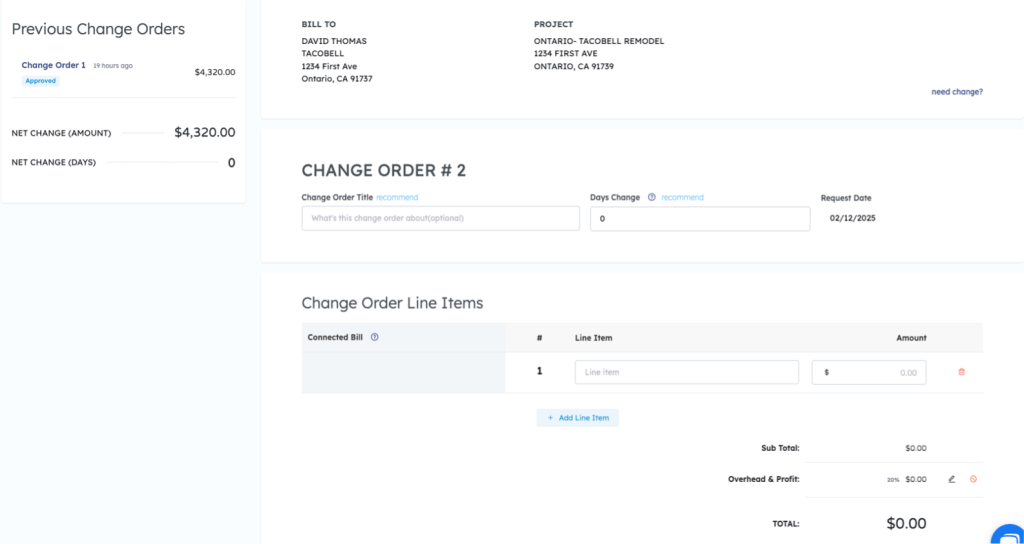
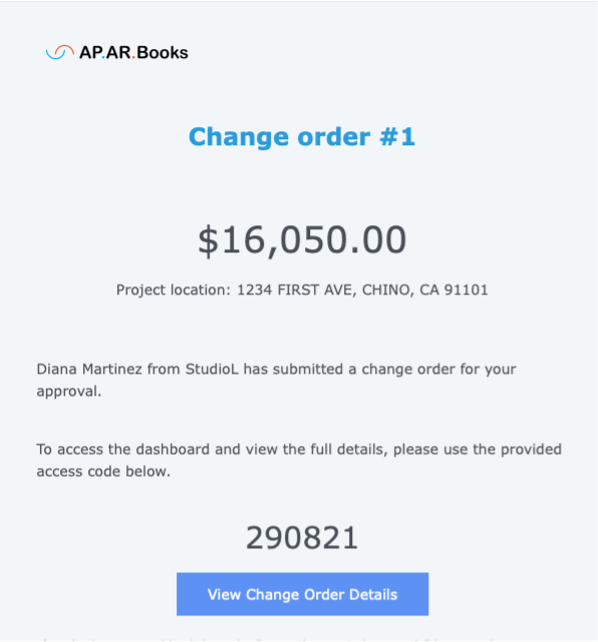
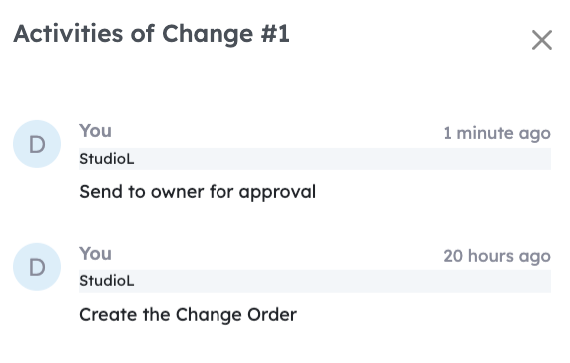
With APARBooks, cash flow is steady, the project financials are clear, and communication runs through one system. Every subcontractor change order is on the record, and everyone is working from the same numbers.
Frequently Asked Questions
Why does an outdated subcontractor ledger cause payment disputes?
If change orders are agreed verbally and the ledger still shows original prices, invoices come in higher than the record and get questioned. Each party remembers the verbal deal differently, and there's no timestamped entry to settle it.
How does APARBooks keep the subcontractor ledger current?
Every change order is recorded and sent to all parties through automated notifications when it happens, and the ledger updates in real time. Each entry is timestamped, so everyone sees the same current cost adjustments.
How do timestamped ledger entries help?
A timestamp removes the ambiguity over who agreed to what and when, which is what turned this contractor's verbal change orders into a drawn-out dispute.
Built for Contractors. Built for Construction Accounting.
APARBooks is purpose-built construction accounting software for general contractors and bookkeepers. Manage job costing, AIA progress billing, subcontractor payments, retainage, change orders, lien compliance, and WIP reporting in one place.