Greenfield Construction's project managers forecast costs from rough estimates and memory because past project data lived nowhere they could reach it. One retail development came in almost 20% over the forecast. On a similar job, a different manager padded the budget so much that resources sat idle.
Why cost forecasts miss without historical data
Accurate project cost forecasting keeps a general contractor profitable. Without reliable data from past projects, GCs are guessing when they estimate similar future work. Overestimating leads to overly cautious budgets that slow growth and cost opportunities. Underestimating leads to cash flow problems, delays, and expenses that eat the margin.
A scenario: Greenfield Construction
Greenfield Construction is a mid-sized GC doing commercial builds. Its projects varied, but several were similar enough that old cost data would have helped plan new budgets. Because the documentation wasn't organized, there was no consolidated way to reference past project expenses, so project managers worked from rough estimates and individual memory, and the forecasts came out inconsistent.
In one case, a project manager underestimated a retail development by nearly 20% for lack of historical data. The shortfall caused cash flow problems midway through, forced cost cuts elsewhere, hurt project quality, and strained the client relationship. In another case, a manager overestimated a similar retail project, built an overly cautious budget, tied up resources longer than needed, and missed out on profit the company could have earned elsewhere.
The APARBooks solution
Greenfield implemented APARBooks to bring its forecasting onto real data. APARBooks organized every past project's cost forecasts, expenses, and final budgets into one place, with each project easy to pull up. When a project manager starts planning, they reference similar past projects and adjust for inflation, scope changes, and other variables from a realistic baseline.
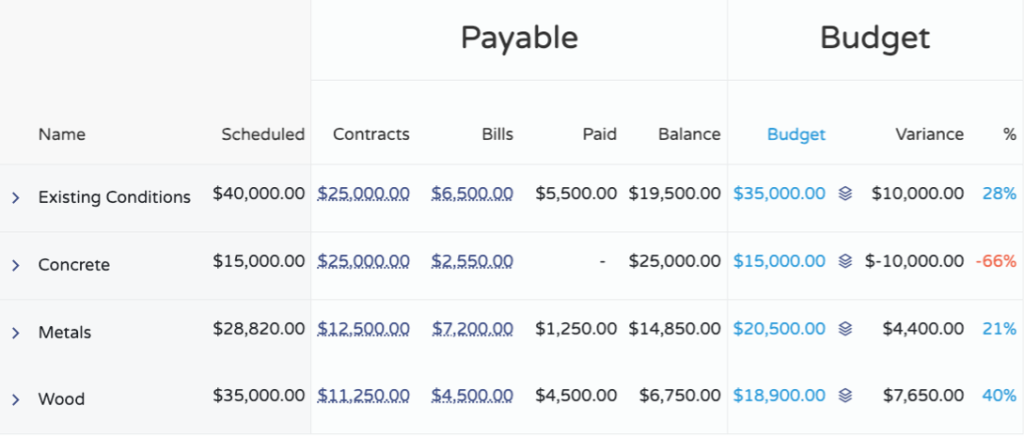
Instead of guesswork, the managers review detailed cost breakdowns from previous projects, so every forecast rests on historical data. Greenfield's projections got more accurate, over- and underestimation dropped, and the company allocates resources more effectively, makes quicker decisions, and takes on more work without fear of a shortfall.
Frequently Asked Questions
Why do project cost forecasts go wrong?
Without organized data from past projects, project managers forecast from rough estimates and memory. Underestimating causes mid-project cash flow problems; overestimating ties up resources and costs the company profit elsewhere.
How does APARBooks improve cost forecasting?
APARBooks centralizes every past project's cost forecasts, expenses, and final budgets. A project manager planning new work references similar past projects and adjusts from a realistic, data-backed baseline instead of guessing.
What did inaccurate forecasting cost Greenfield Construction?
One retail development ran nearly 20% over its forecast, causing cash flow problems and cost cuts that hurt quality. A separate overestimate tied up resources and cost the company profit it could have made on other work.
Built for Contractors. Built for Construction Accounting.
APARBooks is purpose-built construction accounting software for general contractors and bookkeepers. Manage job costing, AIA progress billing, subcontractor payments, retainage, change orders, lien compliance, and WIP reporting in one place.