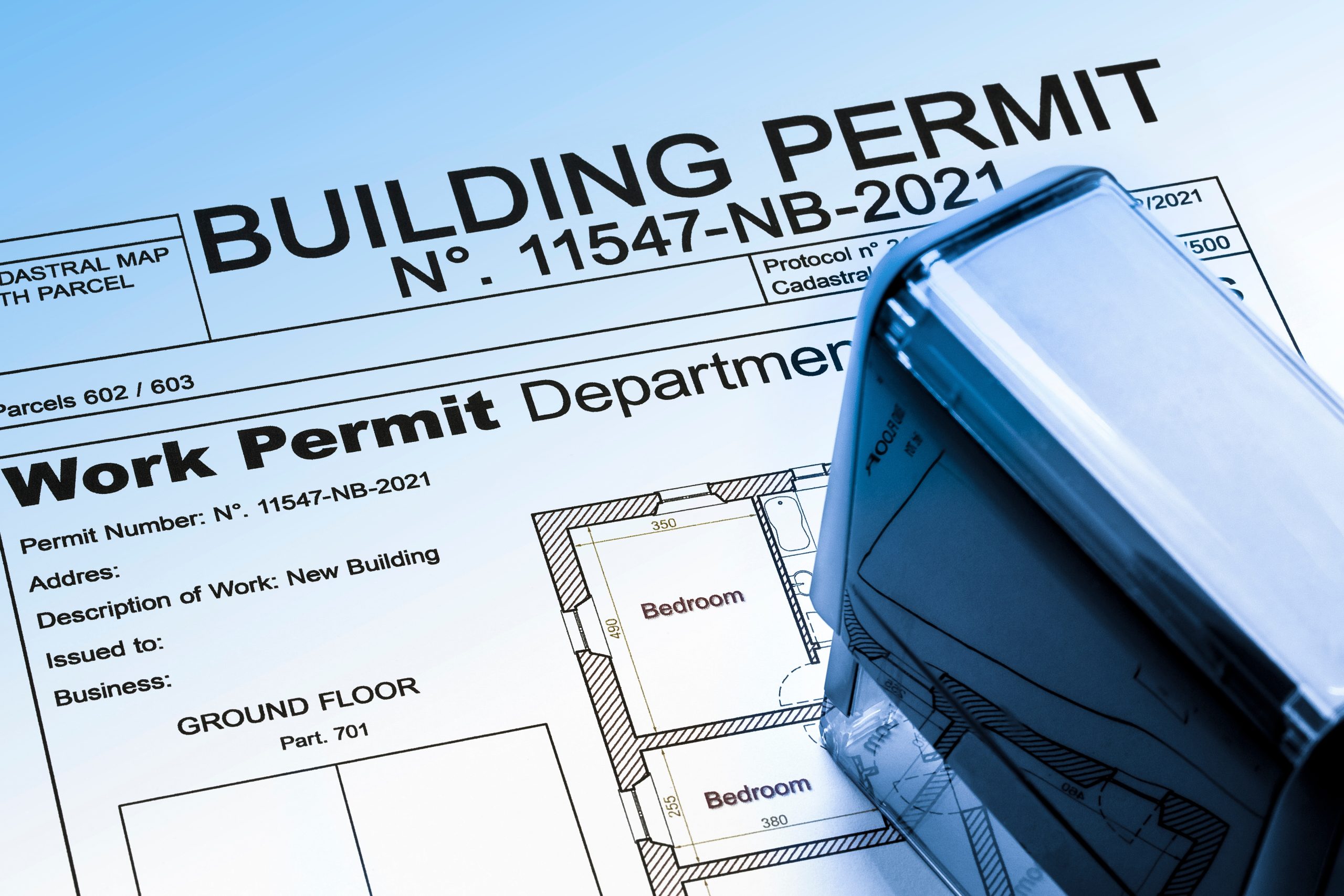
When Mark Wilson, owner of a mid-sized commercial construction firm, found his $4.2 million hospital renovation was hemorrhaging money, the financial autopsy was ugly: $187,000 in duplicate subcontractor payments, $62,000 in unbilled change orders, and nearly 300 hours lost to manual reconciliations across three disconnected accounting systems. “We were essentially writing checks in the dark,” Mark says. “By the time our monthly reports showed problems, the damage was already done.”
The cost of financial fragmentation
The construction industry's patchwork accounting creates a perfect storm of financial risk. A recent industry study found:
- 68% of contractors experience payment delays due to billing errors
- 42% regularly discover duplicate payments during year-end audits
- Nearly 1.5% of project costs are lost to unclaimed change orders
- Accounting teams waste 15 to 20 hours a week on manual data reconciliation
These are profit killers. After Mark implemented APARBooks, duplicate payments disappeared entirely, 98% of change orders were captured within 48 hours, and accounting labor costs dropped 40%. He also gained real-time visibility that changed his bidding strategy. “For the first time, we could see exactly which project types and clients were actually profitable,” Mark notes. “That intelligence alone paid for the system in three months.”
Construction-first financial architecture
Traditional accounting software forces contractors to adapt generic tools to complex construction workflows. APARBooks reverses that with architecture built for the industry.
Job costing engine
The real-time tracking system does more than record expenses; it anticipates them. By analyzing patterns across 12-plus cost categories, from equipment rentals to material waste, APARBooks flags potential budget overruns before they happen. Its predictive models helped one electrical contractor cut material overages 22% in the first year.
Subcontractor management
APARBooks turns chaotic subcontractor management into a simpler process. The platform automatically:
- Tracks compliance documents and insurance certificates
- Generates lien waivers with project-specific terms
- Compares actual versus estimated labor costs
- Flags payment anomalies in real time
Change order tracking
Unlike basic systems that treat change orders as afterthoughts, APARBooks embeds them in core workflows. Clients using these features:
- Reduce unbilled change orders by 83%
- Cut approval cycle times by 65%
- Improve change order profitability by 12 to 18%
Connected financial data
- Document management: centralized storage for 30-plus document types, from preliminary notices to certified payroll, which cuts audit prep time.
- Cash flow forecasting: machine learning analyzes payment patterns to predict 30-, 60-, and 90-day cash positions with 94% accuracy.
- Equipment costing: integrated tracking of maintenance, depreciation, and utilization helped one civil contractor save $78,000 a year on fleet costs.
A financial command center
APARBooks marks a shift from an accounting tool to a financial command center. Its Construction Intelligence Dashboard gives executives:
- Real-time Work In Progress reports with margin analysis
- Performance scores for subcontractors
- Project portfolio risk assessments
- Labor productivity benchmarks
For CFOs like Sarah Chen of a 200-employee GC firm, that view changed things.
“We went from reacting to financial fires to preventing them. Last quarter, our dashboard alerted us to a 7% material cost creep on a school project before it hit our P&L. We adjusted purchasing strategies and saved $86,000.”
Implementation and ROI
Unlike enterprise systems that need year-long rollouts, APARBooks delivers from day one:
- Average implementation timeline: 14 business days
- 92% of users report positive ROI within 6 months
- Typical gains: 40% faster month-end close, 35% fewer accounting labor hours, 28% better billing cycle times
“Our project managers were generating complex job cost reports by week two,” Mark notes. “That's unheard of with traditional accounting software.”
What's next
- Blockchain integration: a pilot with 12 contractors is eliminating payment disputes through smart contracts.
- AI-assisted forecasting: predictive models now hit 97% accuracy on project cash flow.
- Mobile field accounting: crew leaders can log expenses, equipment hours, and progress photos that auto-sync with accounting records.
Building financial resilience
Since adopting APARBooks, Mark Wilson's firm has increased its bid win rate by 18%, improved gross margins by 3.2 percentage points, and reduced days sales outstanding by 14 days. “We're not just surviving in this market, we're thriving,” he says.
Key Takeaways
- Duplicate payments, unbilled change orders, and manual reconciliation are the three biggest hidden profit killers in construction accounting.
- Mark Wilson's firm cut accounting labor costs by 40% and captured 98% of change orders within 48 hours after implementing APARBooks.
- Since adopting the platform, his firm has raised its bid win rate by 18%, improved gross margins by 3.2 points, and cut days sales outstanding by 14 days.
Frequently Asked Questions
What are the biggest hidden costs in construction accounts payable?
Duplicate subcontractor payments, unbilled change orders, and hours lost to manual reconciliation across disconnected systems. Mark Wilson's $4.2M hospital renovation lost $187,000 to duplicate payments and $62,000 to unbilled change orders.
How does APARBooks prevent duplicate subcontractor payments?
It brings job costing, subcontractor management, and change orders into one system with real-time anomaly flagging, so payments are checked against what's already been recorded. Mark Wilson's duplicate payments disappeared entirely after implementation.
How long does APARBooks take to implement?
The average implementation timeline is 14 business days, and 92% of users report positive ROI within six months.
Built for Contractors. Built for Construction Accounting.
APARBooks is purpose-built construction accounting software for general contractors and bookkeepers. Manage job costing, AIA progress billing, subcontractor payments, retainage, change orders, lien compliance, and WIP reporting in one place.