Smith Kitchen Remodels looked profitable on paper and still kept running short on cash. The reason wasn't slow sales or bad pricing. It was job cost allocation: costs were landing on the wrong projects and line items, so the owner couldn't see which jobs actually made money.
“APARBooks revolutionized our financial management. We went from struggling with cash flow to having a clear, real-time view of our project costs. It's been a game-changer for our business.”
— John Smith, Owner of Smith Kitchen Remodels
Smith Kitchen Remodels is a small general contractor that focuses on high-end kitchen renovations. A team of 15 has been remodeling kitchens in the area for more than a decade.
The challenge: profitable jobs, shrinking bank balance
The projects kept coming and the work looked profitable, but Smith Kitchen Remodels started hitting cash flow problems it didn't expect. John Smith assumed certain job types were his best earners, so he steered more resources toward similar work. Over time the company's finances got worse, not better.
The problem was job cost misallocation. Total project cost was built up from individual line items, and each line item got a budget before the job started. During the work, though, actual costs were being assigned inaccurately. That gave everyone a distorted picture of which projects were profitable.
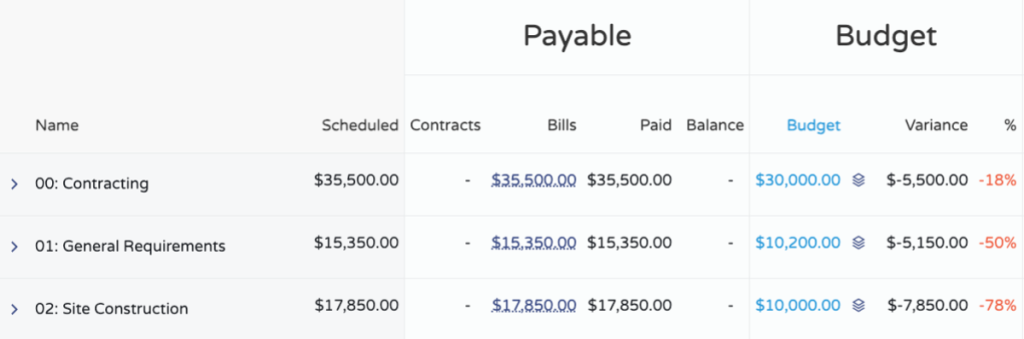
The solution: put costs on the right project and line item
When John brought his financial reports to APARBooks, the team spotted the job cost misallocation quickly. The fix had three parts:
- Set up every project in APARBooks so costs are allocated to the correct project and its specific line items.
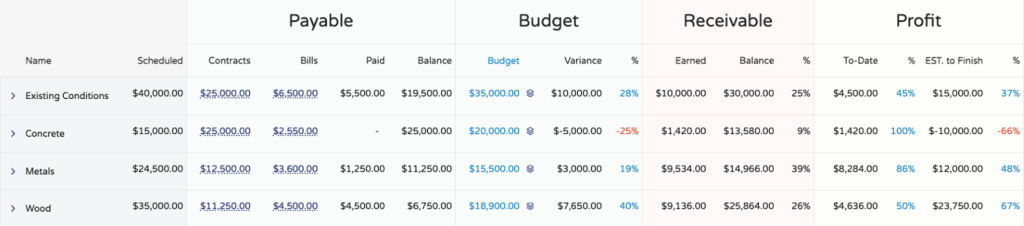
- Turn on real-time job cost tracking for each project, so John and his team could watch expenses as they happened.
- Show the true profitability of each project in the project overview, with all allocated costs included.
The results
Within six months, Smith Kitchen Remodels saw overall profitability rise 15%. Most of that came from being able to price jobs accurately and assign resources based on real cost data instead of a hunch.
The cash flow problems went away. With real-time tracking, John's team could step in as soon as a project started running over budget, before it turned into a shortfall. That gave the company steadier footing and the confidence to take on bigger jobs.
Accurate profitability data also changed how John picked work. He could see which project types actually paid off and build a portfolio around them. The integrated system cut the time spent on financial management by 30%, which the team put back into running projects and serving clients.
Frequently Asked Questions
What is job cost allocation?
Job cost allocation is the process of assigning each expense to the right project and the right line item within that project. Total project cost is built from those line items, each with its own budget, so costs have to land in the correct place for profitability figures to mean anything.
How does misallocating job costs hurt profitability?
When costs are assigned to the wrong projects or line items, some jobs look more profitable than they are and others look worse. Smith Kitchen Remodels steered resources toward jobs it believed were strong earners and saw its finances decline because the underlying numbers were wrong.
How does APARBooks track job costs in real time?
APARBooks allocates each cost to the correct project and line item and updates the project overview as expenses are entered. Teams can watch spending against budget as it happens and step in early when a project starts to run over.
Built for Contractors. Built for Construction Accounting.
APARBooks is purpose-built construction accounting software for general contractors and bookkeepers. Manage job costing, AIA progress billing, subcontractor payments, retainage, change orders, lien compliance, and WIP reporting in one place.