A general contractor's job is coordination, and subcontract management sits near the center of it. It's not just signing agreements. It's setting up the conditions for subcontractors to do good work, from clear contracts through the change orders they'll inevitably raise.
What subcontract management involves
Subcontracting means assigning specific obligations under a contract to another party, the subcontractor. It's common in construction and IT, where projects need specialized expertise. For a general contractor, managing subcontracts is about building a foundation for collaboration:
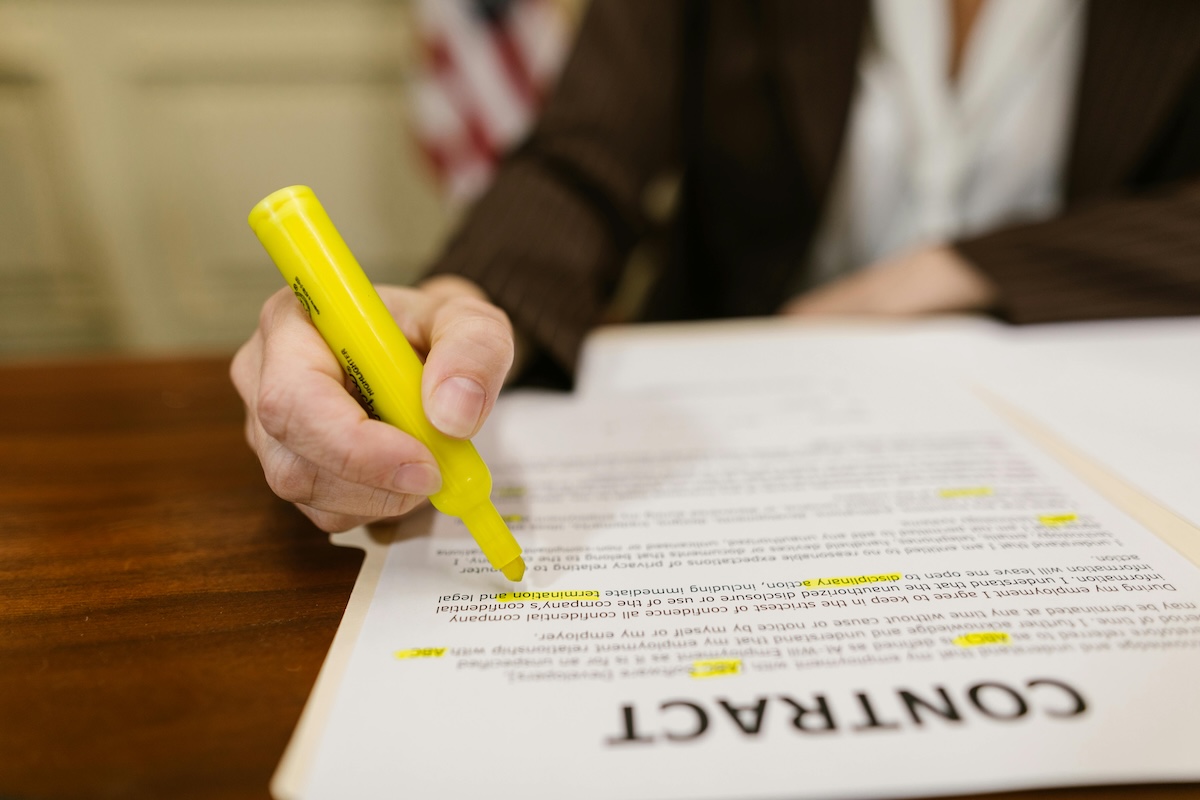
- Clear collaboration agreements. Subcontracts are more than legal documents; they're the base of the working relationship. The agreements need to be legally sound, clear, complete, and aligned with the project scope.
- Strategic risk allocation. Know how risk is split between the GC and the subcontractor. A clear division heads off disputes and keeps the project moving.
- Open communication channels. Established lines of communication let concerns get addressed quickly and keep misunderstandings to a minimum.
What to keep an eye on
- Compliance checks. Subcontractor compliance with legal and safety rules isn't optional. Regular checks and audits keep the work environment secure and compliant.
- Payment processes. Clear payment schedules keep the project efficient and make sure subcontractors are paid promptly for completed work.
- Performance evaluation. Regular evaluations let a GC gauge subcontractor efficiency and address performance issues before they pull the project off track.
Handling change orders
Change orders are unavoidable. Handle them with:
- Transparent communication. Communicate the scope change, the cost, and any effect on the timeline.
- Documentation protocols. Every change gets documented, approved, and folded into the overall project plan for clarity and accountability.
- Quality control. Set clear standards, monitor performance, and give constructive feedback.
- Negotiation and collaboration. Treat a change order as a chance to negotiate rather than a fight. A positive relationship keeps the project cooperative.
- Conflict resolution. Conflicts between a subcontractor and the primary contractor will surface. Have a defined process to resolve them promptly.
Technology that helps
- Construction management software. Document sharing, communication hubs, and change order tracking in one place.
- Document management. A system to store and organize contracts, invoices, and reports, so the paperwork stays current and easy to find.
- Real-time collaboration. Instant communication between the GC and subcontractors speeds up decisions and keeps everyone aligned.
Frequently Asked Questions
What is subcontract management?
It's how a general contractor handles the subcontractors it assigns specific work to, from writing clear, scope-aligned agreements through compliance checks, payment schedules, performance evaluation, and change orders.
How should a GC handle subcontractor change orders?
Communicate the scope change, cost, and timeline impact clearly; document and approve every change; hold quality standards; treat it as a negotiation rather than a fight; and have a defined process for resolving conflicts.
What should a GC watch for in subcontract management?
Subcontractor compliance with legal and safety regulations, clear and prompt payment schedules, and regular performance evaluations so issues are caught before they affect the project.
Built for Contractors. Built for Construction Accounting.
APARBooks is purpose-built construction accounting software for general contractors and bookkeepers. Manage job costing, AIA progress billing, subcontractor payments, retainage, change orders, lien compliance, and WIP reporting in one place.